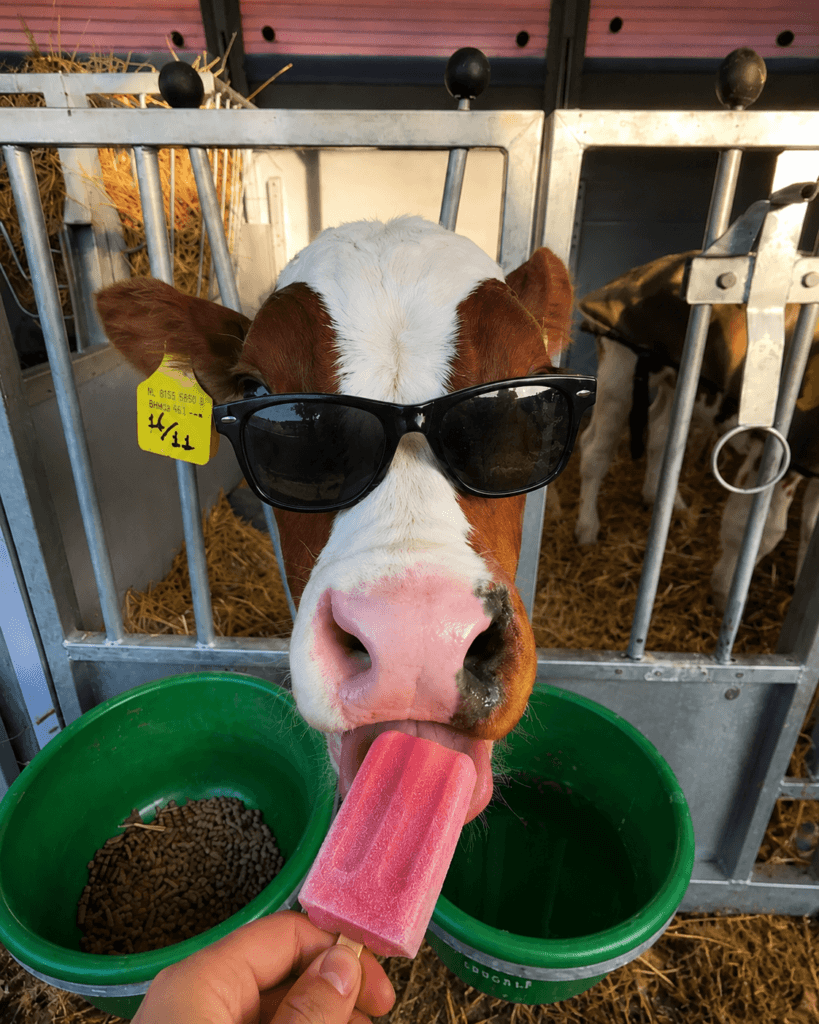
What is heat stress in calves?
Heat stress occurs when a calf is unable to release enough body heat. Young calves are especially sensitive to this. Problems can already arise at temperatures between 20 and 25 degrees Celsius, particularly when humidity is high and ventilation is poor.
Many farmers mainly associate heat stress with dairy cattle, but calves are also quickly affected.
Consequences of heat stress in calves
Heat stress often leads to:
- Lower feed intake
- Reduced milk consumption
- Growth delays
- Increased risk of diarrhoea
- Respiratory problems
- Reduced immunity
- Higher mortality rates
- More work and additional care moments
And especially during busy periods, the first signs are easily overlooked.
The germ factor: heat increases germ pressure
Germs are present in every barn and originate from the environment. In warm and humid weather, bacteria and pathogens have a greater opportunity to develop rapidly. When the germ pressure becomes too high, the calf uses its energy for recovery instead of growth.
Poor ventilation, wet bedding areas, or insufficient cleaning can further increase this problem.
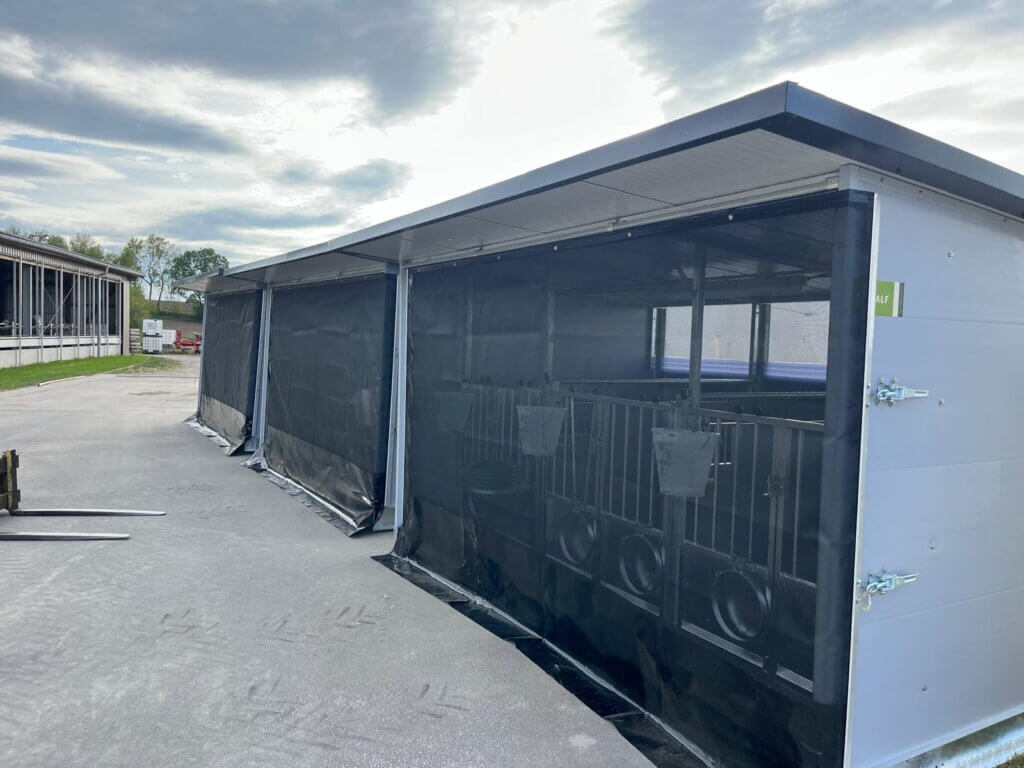
That is why easy-to-clean calf pens, good air circulation, and dry housing are essential during warm periods.
Lower germ pressure starts with:
- Good ventilation without drafts
- Dry and clean resting areas
- Easy-to-clean calf housing
- Sufficient air circulation
The calf: a healthy calf shows it immediately
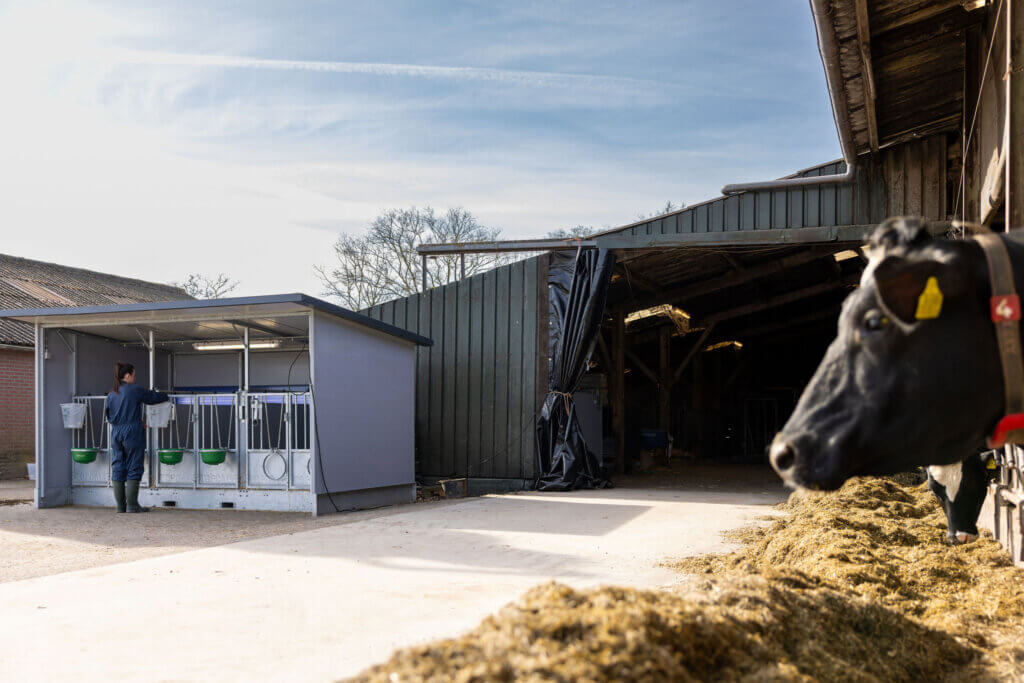
Is your calf housing in good condition? Your calf will show it.
A healthy calf:
- Grows well
- Is active
- Eats well
- Drinks well
- Looks healthy
- Has calm breathing
Calves suffering from heat stress, on the other hand, often become lethargic, drink less, and are more susceptible to diseases.
Signs of heat stress in calves
Pay extra attention during warm days to:
- Rapid or shallow breathing
- Panting or breathing with an open mouth
- Reduced drinking or eating
- Warm-feeling ears
- Lying down more and showing less active behaviour
The earlier you recognise the signs, the smaller the impact will be.